

Gokarna: the forgotten tourism story
Was this small Karnataka coastal town really India’s first package tour destination? Long before backpackers, pilgrims were already walking a scripted route here.
Before backpackers, there were pilgrims
Ask most travelers about Gokarna and they will describe sunsets at Om Beach, shacks on Kudle, and the trek to Paradise Beach. That is a fair picture of modern Gokarna tourism, but it is only the latest chapter.
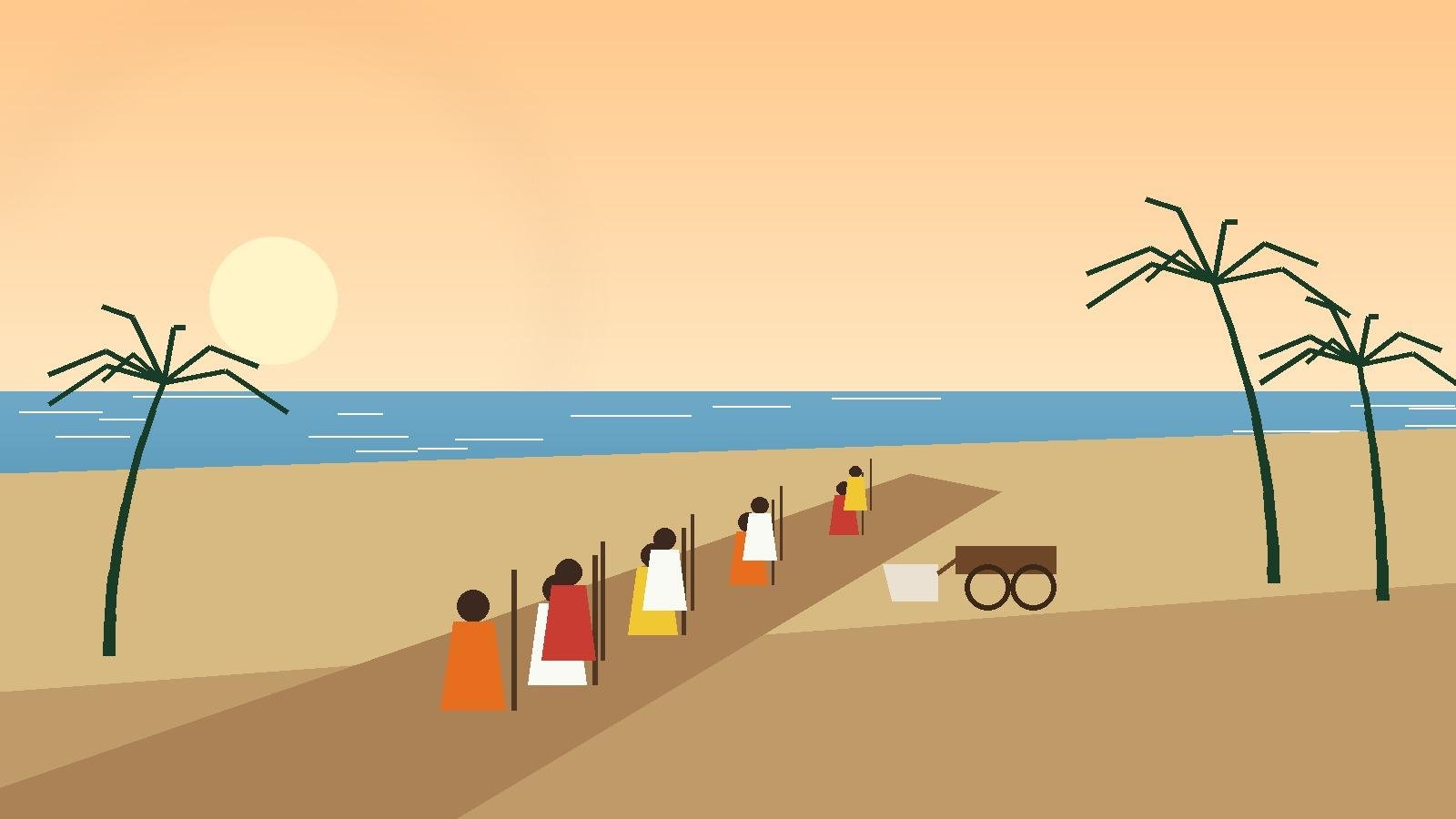
Long before beach cafés and Instagram reels, this small coastal town in Uttara Kannada, Karnataka, was drawing thousands of travelers. They arrived on foot, by bullock cart, and by coastal boat, following a route shaped by scripture, guided by priests, and organized around a fixed set of rituals. Many historians of religion would call that a journey with a script.
So was Gokarna really “India’s first package tour destination”? Taken literally, the title is a stretch. No ancient brochure or ticket exists. Taken as a metaphor for how structured, guided, multi-stop travel worked in medieval and ancient India, the claim holds up well. This is the forgotten history of Gokarna: a story of pilgrimage tourism in India long before “tourism” had a name.
The mythological roots: why the world came to Gokarna
The legend of the Atmalinga
The reason for visiting Gokarna begins with a story. According to Hindu tradition, the demon king Ravana performed severe penance and received the sacred Atmalinga of Lord Shiva, with one condition: it must never touch the ground until it reached Lanka.
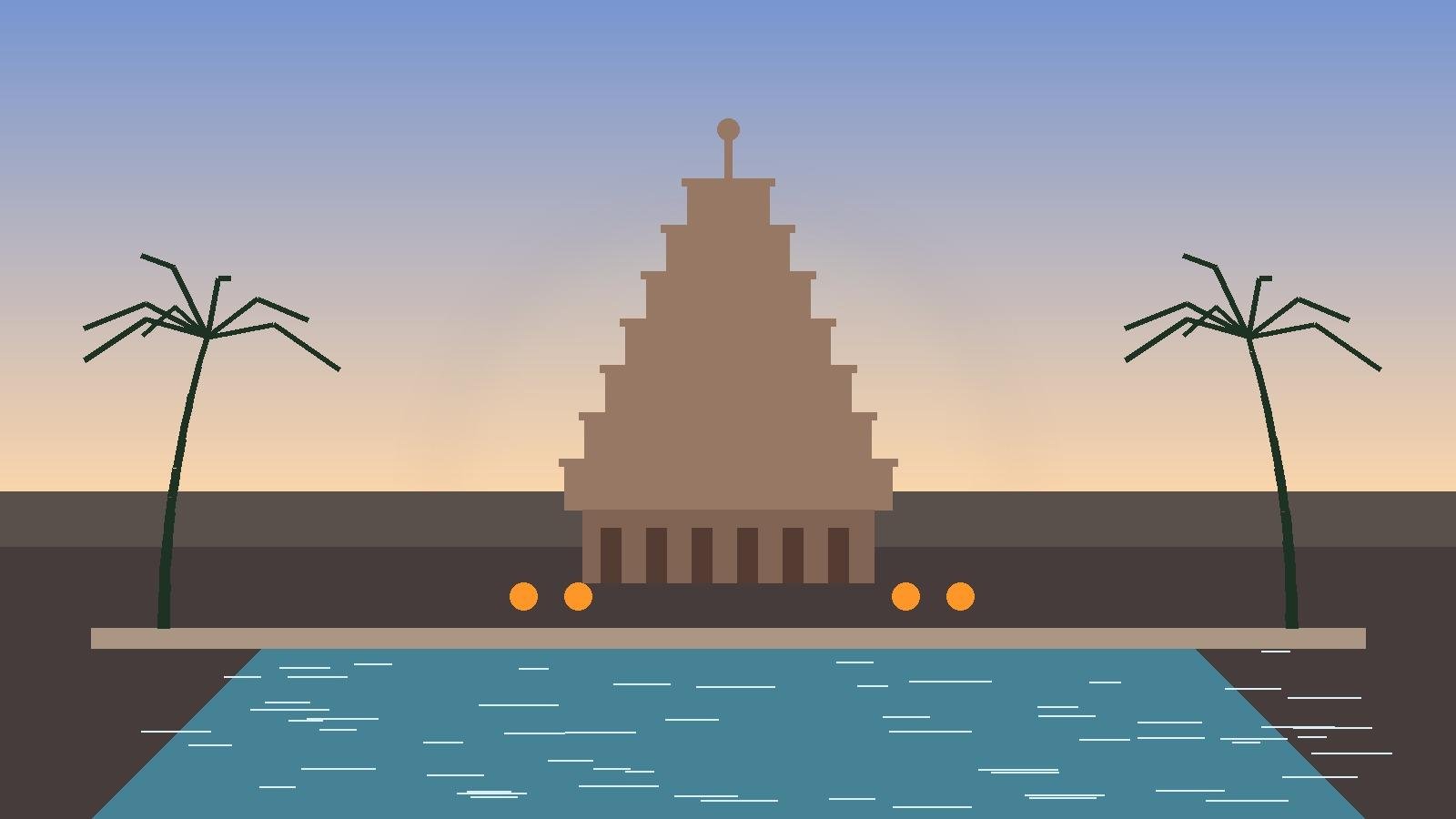
The gods feared what an invincible Ravana would do. In the best-known version of the tale, Lord Ganesha disguised himself as a young Brahmin boy and tricked Ravana into handing over the Atmalinga during his evening prayers. Ganesha set it down, and it took root at Gokarna. Ravana, furious, tried to pull it out and failed. The place where it stayed became the Mahabaleshwar Temple, Gokarna.
“Gokarna” and the cow’s ear
The name is traditionally explained as “cow’s ear,” and legends connect the town to Shiva emerging from the ear of a cow, or the earth. Whatever the origin, the story gave Gokarna a place in the sacred geography of India.
A place of moksha
Gokarna is often called Dakshina Kashi, the Kashi of the South. Texts and tradition say that visiting it, bathing at Kotiteertha, and worshipping the Atmalinga brings spiritual merit and release from sins. Few places in India have such a strong promise attached to a visit, and that promise is what kept pilgrims coming.
- The Atmalinga legend of Ravana and Ganesha makes Gokarna one of the best-known Shaiva pilgrimage sites in India.
- Gokarna is one of the seven Muktikshetras in Karnataka’s pilgrimage tradition.
- Its status as Dakshina Kashi links it to the wider network of pilgrimage tourism in India.
- Kotiteertha, the sacred tank, remains central to ritual bathing.
“India’s first package tour”? Understanding the metaphor
Here is why Gokarna fits the idea better than you might expect. A modern package tour has a defined itinerary, local guides, accommodation, food, rituals or activities, and a sense of completion. Pilgrimage to Gokarna offered a traditional version of all of these.
A defined itinerary
Pilgrims followed an established order of rites. A typical pilgrimage included a bath at the sea (Gokarna beach is considered sacred for ritual bathing), a dip in Kotiteertha, and darshan at the Mahabaleshwar temple. Visits to the Mahaganapati shrine and other nearby sites completed the circuit. Tradition places Ganesha worship before the main darshan, a sequence that works like a printed itinerary.
Local guides and hosts
Hereditary priests and temple families acted as hosts and ritual guides. They conducted ceremonies, advised on the proper sequence, and often arranged lodging. This is the closest historical parallel to a tour operator: a trusted local intermediary who handled the journey on the ground.
Logistics, lodging and food
Pilgrim towns developed dharmashalas (rest houses), matha guesthouses, and community kitchens. Temples and religious institutions provided shelter and meals. This is a documented feature of Indian pilgrimage culture generally, and Gokarna is a good example of it.
A fixed calendar
Certain days drew crowds. Maha Shivaratri is the most famous, and Gokarna’s chariot festival and other observances still bring large numbers of devotees. Timing a trip to a festival is itself a form of package planning.
Ritual completion
Many travelers combined Gokarna with other sacred sites, forming larger circuits. Gokarna is often linked with the Murudeshwar, Gunavanteshwar, Dhareshwar, and Shejjeshwar temples, which tradition says are connected to the fragments of the Atmalinga’s covering that Ravana flung away in anger. Together they form a regional circuit of Shaiva shrines in coastal Karnataka.
A fair caveat. There is no historical record naming Gokarna as the “first” organized tour in India, and the phrase is best read as a way of describing how structured pilgrimage worked. Pilgrimage towns across India, including Kashi, Rameswaram, and Puri, operated on similar systems. Gokarna’s distinction is how clearly it displays all the elements in one small coastal town.
Centuries of change: travel patterns in Uttara Kannada
The history of Gokarna is tied to the political and economic story of the Konkan and Karnataka coast.
Early dynasties and royal patronage
Gokarna’s temple tradition is associated with several powerful dynasties of the region, including the Kadambas, who ruled from Banavasi in this part of Karnataka. Later kingdoms, among them the Chalukyas, Vijayanagara, and the Keladi Nayakas, are associated with patronage and endowments to temples in coastal Karnataka. Royal support meant better shrines, better roads, and more reasons to travel.

Trade routes and the coast
Uttara Kannada sits between the Western Ghats and the Arabian Sea. Coastal trade, the ports of the Konkan, and the passes through the Sahyadri hills linked inland Karnataka to the sea. These routes carried goods, and they also carried pilgrims. Travelers from the Deccan plateau and beyond could reach the coast through ghat roads.
Medieval and colonial periods
Regional powers, Portuguese influence on the western coast, and later British administration changed politics and movement along the coast, but pilgrimage continued. Records and travelogues from the colonial period describe Gokarna as a significant temple town.
Modern infrastructure
Better roads, the highway along the coast (NH 66), and the Konkan Railway, with Gokarna Road as the nearest railway station, made the town much easier to reach.
Weeks became hours
The journey that once took weeks could now be done in hours, and that opened the door to a very different kind of visitor.
From sacred town to hippie haven to beach hotspot
The hippie trail arrives
In the 1970s and 80s, international travelers following the hippie trail through India discovered Goa, then looked for quieter alternatives. Gokarna, with its empty crescents of sand and a deeply spiritual atmosphere, was a natural next stop. Many came for the yoga, the solitude, and the freedom of untouched beaches.
The beaches that changed everything
The beaches in Gokarna are now the main draw for many visitors.
Om Beach
Named for its shape, which resembles the Om symbol, and popular for water sports and sunsets.
Kudle Beach
A long stretch lined with cafés and a social atmosphere.
Half Moon Beach
A quieter, curved cove reached by a coastal trail.
Paradise Beach
Also called Full Moon. A secluded spot often reached by trek or boat.
Main Gokarna Beach
The pilgrim beach near the town, still used for rituals.
A town of two identities
What makes Gokarna unusual is that the two worlds coexist. The priests’ town and the traveler’s town share the same streets, which is why this small place feels so layered.
In the morning
You may see devotees performing rites at the sea.
By evening
The same coastline hosts travelers in yoga pants watching the sunset.

Responsible tourism today
Growing numbers have brought pressure on the environment, waste, and local culture. Visitors are increasingly encouraged to choose eco-friendly stays, avoid single-use plastic, and dress modestly in temple areas.
Conclusion: a journey that never stopped
Gokarna’s tourism story is not a break between an old world and a new one. It is a continuous thread. Pilgrims once walked here for blessings, and today’s travelers arrive for sunsets, silence, or both. The guides have changed from temple priests to hostel owners and trek leaders, and the itinerary has expanded from ritual bathing to beach-hopping. But the pull of the place is the same.
Whether or not you call it “India’s first package tour,” Gokarna offers something rarer: a destination where heritage and leisure share the same shoreline.
Visit the Mahabaleshwar temple at dawn, walk the beach trail at noon, and watch the sun set over the Arabian Sea. You will be following a path travelers have walked for centuries.
Frequently asked questions
Was Gokarna really India’s first package tour destination?
Not literally. No historical record names it the “first,” and the phrase is a metaphor. Gokarna did operate with structured pilgrimage routes, hereditary priests as guides, rest houses, and fixed rituals, which resemble the elements of a package tour.
Why is Gokarna called Dakshina Kashi?
Tradition holds that visiting Gokarna, bathing in Kotiteertha, and worshipping the Atmalinga at the Mahabaleshwar temple bring spiritual merit comparable to a visit to Kashi (Varanasi), which is why Gokarna is called the Kashi of the South.
What is the legend of the Atmalinga at Gokarna?
According to tradition, Ravana received Shiva’s Atmalinga but was tricked by Lord Ganesha into setting it on the ground at Gokarna, where it became rooted. The Mahabaleshwar temple stands at that spot.
How did Gokarna become a popular beach destination?
Hippie-trail travelers discovered Gokarna’s quiet beaches in the 1970s and 80s, partly as an alternative to Goa. Better roads and the Konkan Railway later brought mainstream tourism, and today the beaches rival the temple as a draw.
What is the best time to visit Gokarna for both history and beaches?
October to March has the best weather. Visiting during Maha Shivaratri adds a festival experience, though it is also very crowded.